
The Supreme Court is set to hear pleas challenging Chief Election Commissioner Gyanesh Kumar's alleged unilateral decisions without the concurrence of other election commissioners. The petitions seek his suspension and question actions like altering voter registration forms and handling electoral roll revisions in Goa and West Bengal, highlighting concerns over the multi-member character of the Election Commission.

Thousands of protesters, including farmers, trade unionists, students, and Left party members, marched towards the Election Commission of India headquarters in Delhi, demanding the resignation of Chief Election Commissioner Gyanesh Kumar and the withdrawal of the ongoing Special Intensive Revision (SIR) of electoral rolls, alleging 'vote chori' and exclusion of eligible citizens.
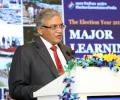
A petition has been filed in the Supreme Court challenging Chief Election Commissioner Gyanesh Kumar over alleged statutory duty violations and the controversial deletion of 13 crore voters during the Special Intensive Revision of electoral rolls, claiming decisions were made without the concurrence of other election commissioners.

The Election Commission of India has introduced a mandatory declaration for new voters, requiring them to provide parental details from the Special Intensive Revision (SIR) exercise. This move, aimed at streamlining voter mapping, has sparked controversy, with some Election Commissioners deeming it "illegal" and "unauthorised" due to potential negative impacts on young voters.

The Election Commission of India clarified to the Bombay High Court that the absence of a voter's name from a draft Special Intensive Revision (SIR) roll does not equate to deletion, as SIR is a fresh preparation of the electoral roll. This clarification came during a hearing on a writ petition filed by a Goa resident whose family's names were missing from the SIR roll. The court has reserved its verdict.

Delhi's draft electoral rolls show a significant reduction in voters, with affluent constituencies experiencing a higher percentage drop (37.4%) compared to areas with unauthorised colonies and Jhuggi-Jhopdi clusters (35.7%). Overall, 47.5 lakh voters have been excluded, with officials noting Delhi's exclusion rate is the highest among states undertaking Special Intensive Revision. Citizens have until September 30 to file claims and objections before the final roll is published on November 4.

BJP leader Kirit Somaiya has claimed actor Imran Khan, who participated in a protest, holds US citizenship and questioned his motive. Somaiya lodged a complaint, alleging a conspiracy to create anarchy through protests against electoral roll revisions and stating police assured him of summoning Khan for citizenship documents.

Several political parties in Tamil Nadu, including the ruling TVK and opposition DMK, walked out of an all-party meeting convened by the Election Commission. They demanded the resignation of Chief Election Commissioner Gyanesh Kumar, citing alleged irregularities and a lack of transparency in the previous Special Intensive Revision of electoral rolls, where millions of voters were reportedly removed or flagged. The AIADMK and BJP attended the meeting, with AIADMK also raising concerns about the large number of affected voters.

The Supreme Court is set to hear a plea filed by Congress leader Rahul Gandhi and other opposition figures on Thursday regarding alleged large-scale voter deletions and irregularities in the Special Intensive Revision of electoral rolls. The petition seeks an independent audit of these deletions and modifications, and a direction to prevent further deletions without due process.

Goa Forward Party chief Vijai Sardesai has alleged that Nepalese nationals were added to the state's electoral rolls during the Special Intensive Revision (SIR) and that voters were illegally shifted between constituencies. He has demanded an impartial investigation into these alleged irregularities, calling for deletion of illegal entries and action against those responsible.

Uttarakhand's final electoral roll, released after the Special Intensive Revision, shows a significant reduction of approximately 8 lakh voters compared to the start of the process, with the total now standing at 71.58 lakh. The opposition Congress, however, claims the decline is much steeper, citing a 14 lakh reduction from an earlier figure. The Chief Electoral Officer's office detailed the revision process, including additions and removals, and outlined ongoing efforts to ensure all eligible citizens are included.
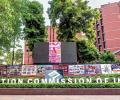
The Election Commission has clarified that its ECINet platform is decentralised, with statutory functions performed only by designated officials, not headquarters staff. This comes after concerns were raised about the centralisation of electoral roll databases. The EC also defended the legality of an additional declaration sought from new voters during the Special Intensive Revision, citing unanimous commission approval and a Supreme Court judgment.

The Election Commission of India has told the Delhi high court that two voters, whose names were deleted from the electoral rolls after they could not complete the enumeration process during the Special Intensive Revision in the national capital, can fill Form 6 for redressal of their grievance.
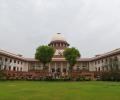
The Supreme Court clarified on Monday that it had not adjudicated on the new Form 6, used for inclusion in electoral rolls, during its hearing on the Special Intensive Revision (SIR) of electoral rolls in Bihar. This clarification comes after the Election Commission's press release suggested the apex court had upheld the Form 6 declaration.
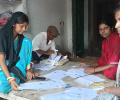
The Election Commission of India is conducting a special intensive revision of the electoral roll in Bihar, with over 6.60 crore electors expected to be included in the draft roll.

CJP spokesperson Ashutosh Ranka has reiterated the outfit's demand for CEC Gyanesh Kumar's resignation, alleging the exclusion of 13 crore names from electoral rolls and questioning the BJP's defence of Kumar. The CJP plans a nationwide protest starting October 2, vowing not to back down until Kumar resigns, and has launched the 'Election Commission Thik Karo' campaign. Ranka also accused the CEC of fraudulently redrawing constituencies in Assam to benefit the ruling party.

Prominent individuals, including Infosys co-founder Nandan Nilekani and Zerodha founders Nithin and Nikhil Kamath, have appeared on a notice list during Karnataka's Special Intensive Revision (SIR) of electoral rolls due to various discrepancies. Authorities clarify that these notices are part of a verification process and officials will assist in resolving the issues without inconveniencing the individuals, also debunking reports about CM D K Shivakumar's mother receiving a notice.

The Election Commission has extended the Special Intensive Revision of electoral rolls in Maharashtra by 10 days, moving the deadline to August 8. This extension also shifts the draft electoral roll publication to August 18, as part of ongoing efforts to update and verify voter information through house-to-house checks and document submissions.

Former Chief Election Commissioners have voiced strong objections to reported 'illegal' changes in voter registration Form 6 and the centralisation of electoral roll control, raising serious concerns about the integrity of future elections.
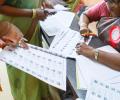
The Election Commission has launched a special drive to include eligible citizens who were omitted or deleted during the recent Special Investigative Review (SIR) exercise, as well as to register new and young voters. This initiative follows accusations from opposition parties regarding disenfranchisement and aims to ensure no eligible citizen is left out of the electoral process.

The Supreme Court stated it has not approved any modifications to Form 6, used for electoral roll inclusion, during the Special Intensive Revision. This observation came during the hearing of a Public Interest Litigation (PIL) challenging alleged unilateral decisions by the Chief Election Commissioner regarding changes to Form 6 and electoral roll revisions in states like Goa and West Bengal, without the concurrence of his colleagues. The court issued notice on the plea, highlighting concerns over collective decision-making within the Election Commission.

The Election Commission of India has introduced new restrictions on the number of Form 7 applications an individual can submit, both online and offline. This move aims to prevent bulk or malicious attempts to remove legitimate voters from electoral rolls and streamline the objection process, especially after reports from states like Karnataka and Odisha.

Thousands of young men and women, joined by prominent personalities, protested at Shivaji Park in Mumbai, demanding the resignation of Chief Election Commissioner Gyanesh Kumar despite police denial of permission. Organised by the Cockroach Janta Party (CJP), the agitation highlighted concerns over transparency in CEC appointments and alleged irregularities in electoral roll revisions.

India's Election Commission's centralised voter database systems, ERONET and ECINet, are under scrutiny following concerns raised by Election Commissioners Sukhbir Singh Sandhu and Vivek Joshi regarding the centralisation of electoral rolls and control available to state election officials. The article explains how these systems work and why they are currently in the news.

A political controversy has erupted over the inclusion of BJP Rajya Sabha MP Raghav Chadha's name in Delhi's electoral rolls. The Aam Aadmi Party (AAP) has alleged procedural irregularities, questioning how his name appeared in the Rajinder Nagar constituency's voter list despite the draft rolls showing fewer entries. Poll officials confirm Chadha's name was added through the updation process after being removed from Punjab's rolls, while Chadha dismisses AAP's claims as a 'bitter ex' reaction.
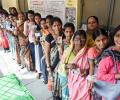
Data from the State Election Commission reveals that over 11 lakh voters in Mumbai have duplicate enrolments in the electoral roll. The SEC has extended the deadline for submitting objections, and opposition leaders have alleged irregularities in the voter list revision.

The Election Commission of India has revised instructions for the Special Intensive Revision of voter rolls, allowing voters served notices for "No Mapping" or "Logical Discrepancy" categories to avoid physical appearance. Booth Level Officers will collect documents at residences, and submissions can also be made via WhatsApp or during special camps, ensuring a more accessible process for electors.

The Supreme Court registry has identified over 10 defects in the petition filed by Congress leader Rahul Gandhi and other opposition leaders concerning alleged large-scale voter deletions and irregularities in electoral rolls. Issues include missing ID cards, illegible pages, and a court fee shortfall. The petition seeks an independent audit of the Special Intensive Revision process.

The INDIA bloc is escalating its protests against Chief Election Commissioner Gyanesh Kumar, planning further actions and seeking an urgent meeting with President Droupadi Murmu.
The Election Commission will publish the draft electoral rolls for Bihar assembly polls, triggering a period for claims and objections amid fears of voter exclusion.

Major opposition leaders, including Rahul Gandhi and Mallikarjun Kharge, have filed a petition in the Supreme Court challenging alleged large-scale voter deletions and irregularities in the Special Intensive Revision (SIR) of electoral rolls. This action follows a "March for Democracy" and a declined request to meet the Chief Justice of India regarding "vote chori" allegations.

The Greater Bengaluru Authority (GBA) clarified that no notice was issued to Bharat Ratna awardee Prof C N R Rao regarding an electoral roll discrepancy. Instead, the Booth Level Officer recommended including his name despite a variation in how it was recorded over the years, ensuring his inclusion in the final electoral roll.

Trinamool Congress leader Saket Gokhale has accused the Election Commission of India (ECI) of withholding details about the software and algorithm used for the Special Intensive Revision (SIR) of electoral rolls. Citing an RTI response, Gokhale highlighted the ECI's claim that the information relates to "commercial confidence, trade secrets and intellectual property matters," raising concerns about transparency in the electoral process.
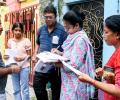
A PIL has been filed in the Supreme Court seeking a detailed constituency-wise disclosure of disenfranchisement caused by the Special Intensive Revision (SIR) of electoral rolls in West Bengal.

The Special Intensive Revision of Maharashtra's electoral rolls has identified over 76 lakh voters classified as permanently shifted across the state. Mumbai Suburban, Thane, and Pune districts reported the highest numbers, highlighting significant discrepancies in voter lists and the ongoing challenge of maintaining accurate electoral data.
Former RBI Governor Bimal Jalan, ex-IAF Chief NAK Browne, and other prominent figures in Delhi have received notices regarding discrepancies in their voter details during the ongoing Special Summary Revision (SIR) of the electoral rolls. Over 33 lakh electors have been identified for such notices, with a deadline of September 30 for responses.

The Railway Board cancelled certain Mail and Express trains arriving at New Delhi and Hazrat Nizamuddin stations on October 10 due to expected road traffic from a planned protest. The Cockroach Janata Party announced a protest at Jantar Mantar on Saturday, demanding the resignation of Chief Election Commissioner Gyanesh Kumar over alleged irregularities in electoral rolls. Delhi police requested the closure of 57 metro stations to prevent protesters from reaching the site.

The INDIA bloc is set to convene on September 30 in New Delhi to formulate a unified strategy regarding the Election Commission, focusing on the removal of Chief Election Commissioner Gyanesh Kumar and concerns over the Special Intensive Revision of electoral rolls. The meeting will also address coordinated protests and the CEC selection process, bringing together diverse opposition parties.
The Supreme Court has directed the Election Commission to provide details on the disposal of appeals by tribunals concerning deletions from West Bengal's electoral rolls during the Special Intensive Revision (SIR). The court emphasised the need to track the progress of these appeals, which were set up to address irregularities. It also clarified that grievances regarding the denial of PDS benefits due to voter deletion should be taken up with the Calcutta High Court.

The Delhi poll body has issued notices to several prominent voters, including Chief Minister Rekha Gupta and AAP supremo Arvind Kejriwal, for discrepancies in their enumeration forms during the ongoing Special Intensive Revision (SIR) exercise. While Gupta's entry has been validated, millions of other voters, including other political figures, have received notices for issues like age-related mismatches or being unmapped with previous SIR records, requiring them to submit documents by October 29.
